PETG vs PLA: Which Makes Longer-Lasting 3D Prints?
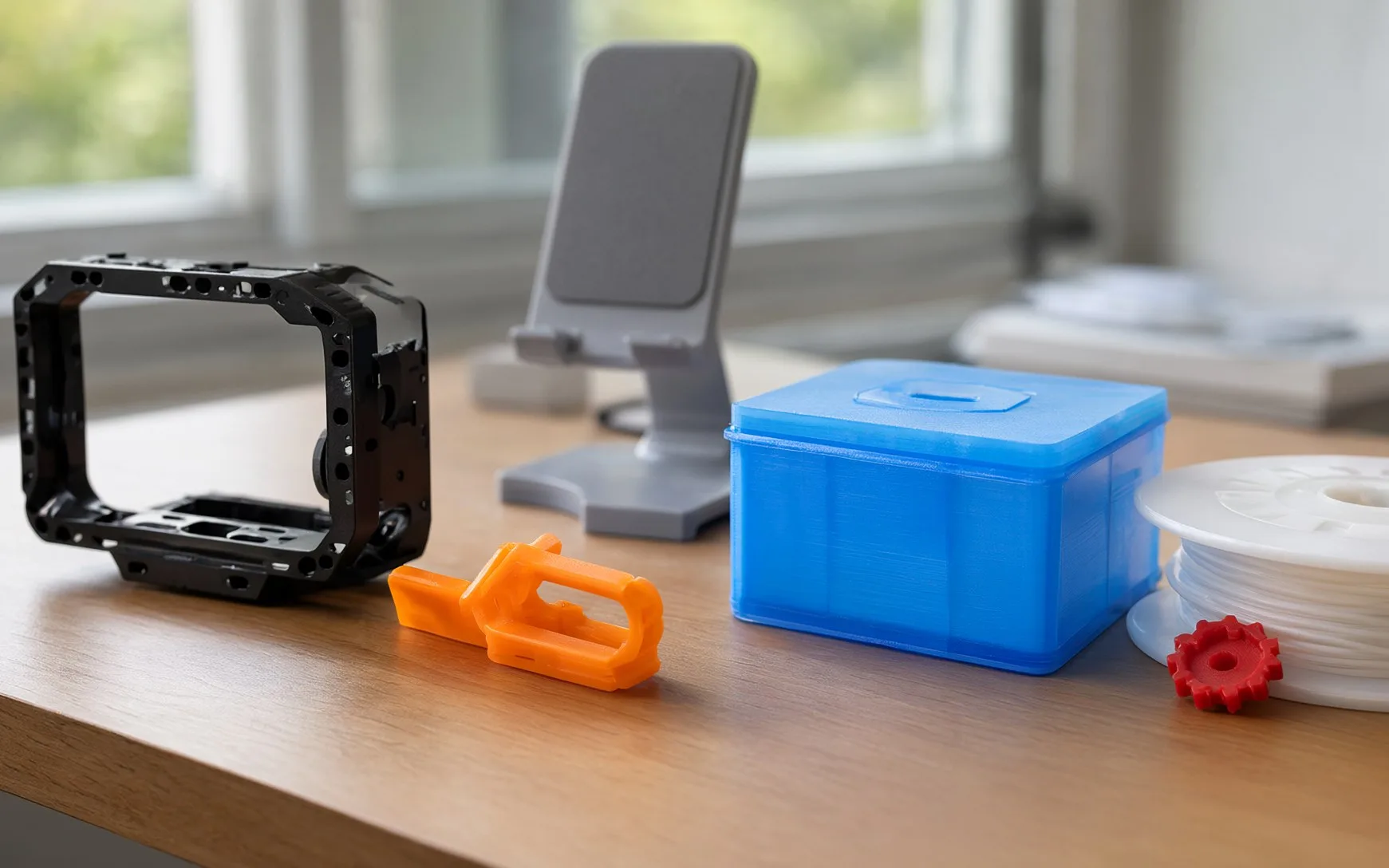
If you have ever ordered a 3D print, you have probably heard these two names: PLA and PETG. They are the two most popular filaments for FDM 3D printers, they cost about the same, and from a distance the prints look alike. But once a print is used every day, left in a car, rained on outside, or dropped off a desk, the difference shows.
In this post we compare PETG and PLA honestly: the strengths and weaknesses of each, when to choose which, and why the Snazzy 3D studio in Jakarta currently prints only in PETG.
First: what are PLA and PETG?
PLA (polylactic acid) is a plastic made from plant sources such as corn starch or sugar cane. It is very easy to print, holds sharp detail and comes in countless colours. That is why almost everyone learns 3D printing with PLA.
PETG (polyethylene terephthalate glycol) belongs to the same family as PET, the plastic of drink bottles. The added glycol makes it less brittle and easier to print. PETG is a little harder to tune (it strings more easily), but the prints are tougher and handle knocks better.
PETG vs PLA, point by point
1. Heat resistance
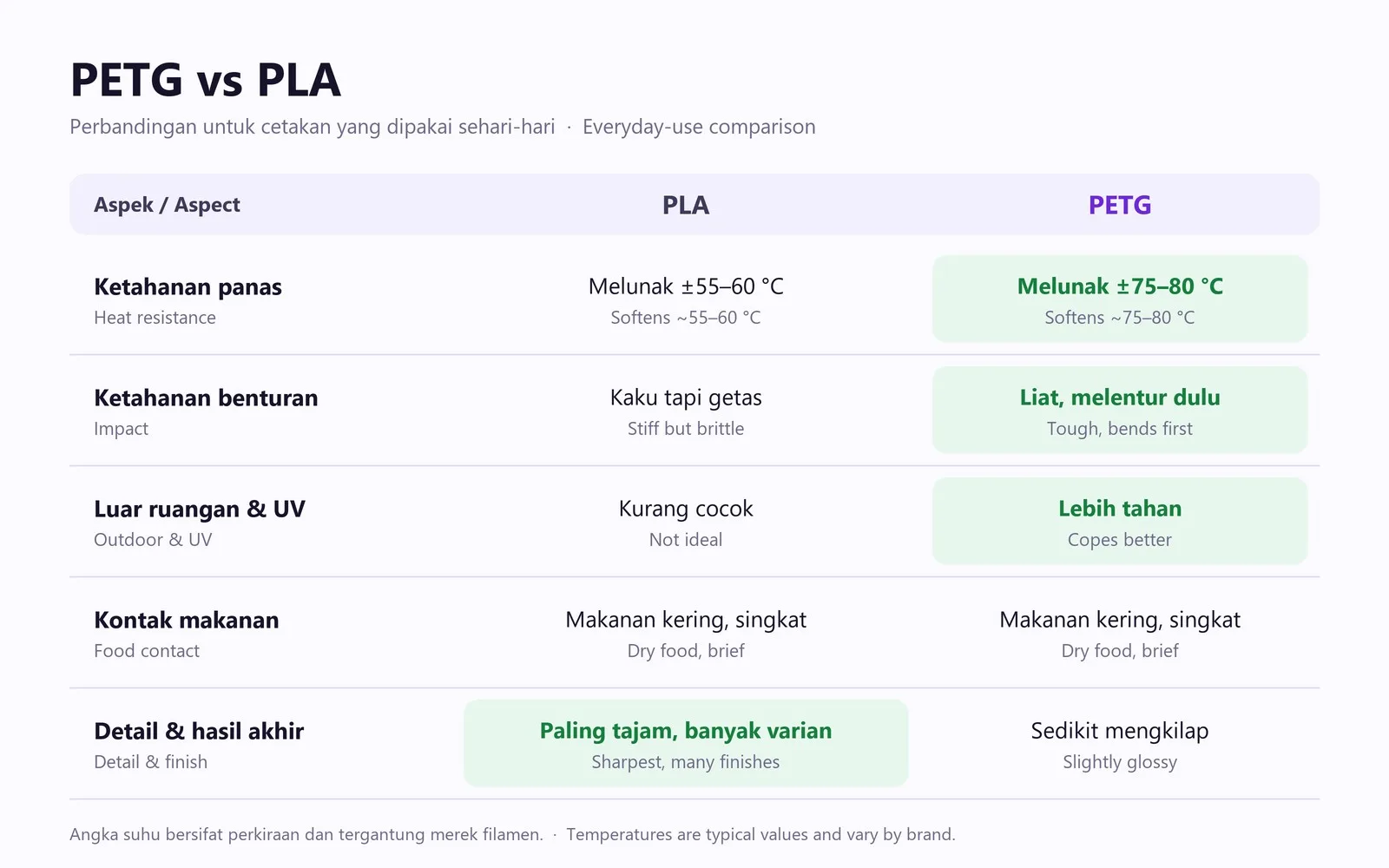
This is the difference that matters most in a tropical climate. PLA starts to soften at around 55–60 °C, while PETG softens at around 75–80 °C (the exact figure depends on the brand).
That sounds far above Jakarta air temperatures, but a car parked in the midday sun gets much hotter inside than the air outside. A PLA phone holder on a dashboard can warp in one afternoon. PETG is far safer in those conditions, though we still would not leave it right on top of a dashboard baking all day.
2. Strength and impact resistance
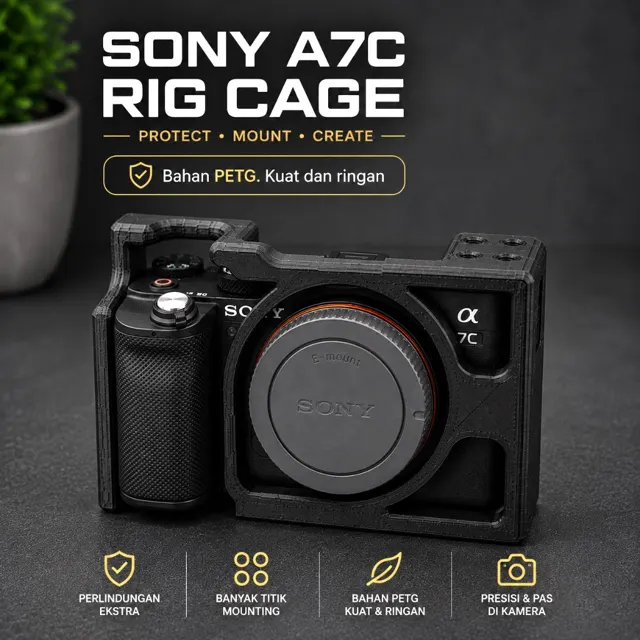
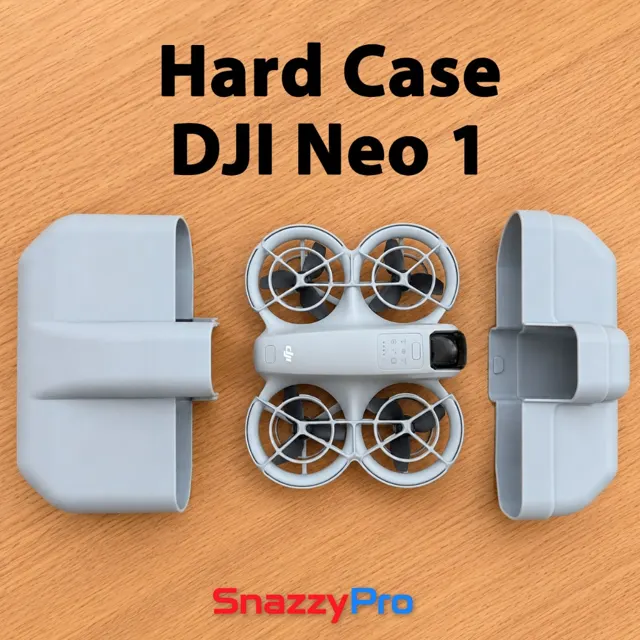
PLA is stiff but brittle: it holds a static load well, but when dropped or bent it tends to snap. PETG is slightly more flexible, so it bends before it cracks. For things that are handled, clamped or carried around, such as drone cases, camera rig cages, clips and hinges, that property is far more useful.
3. UV and outdoor use
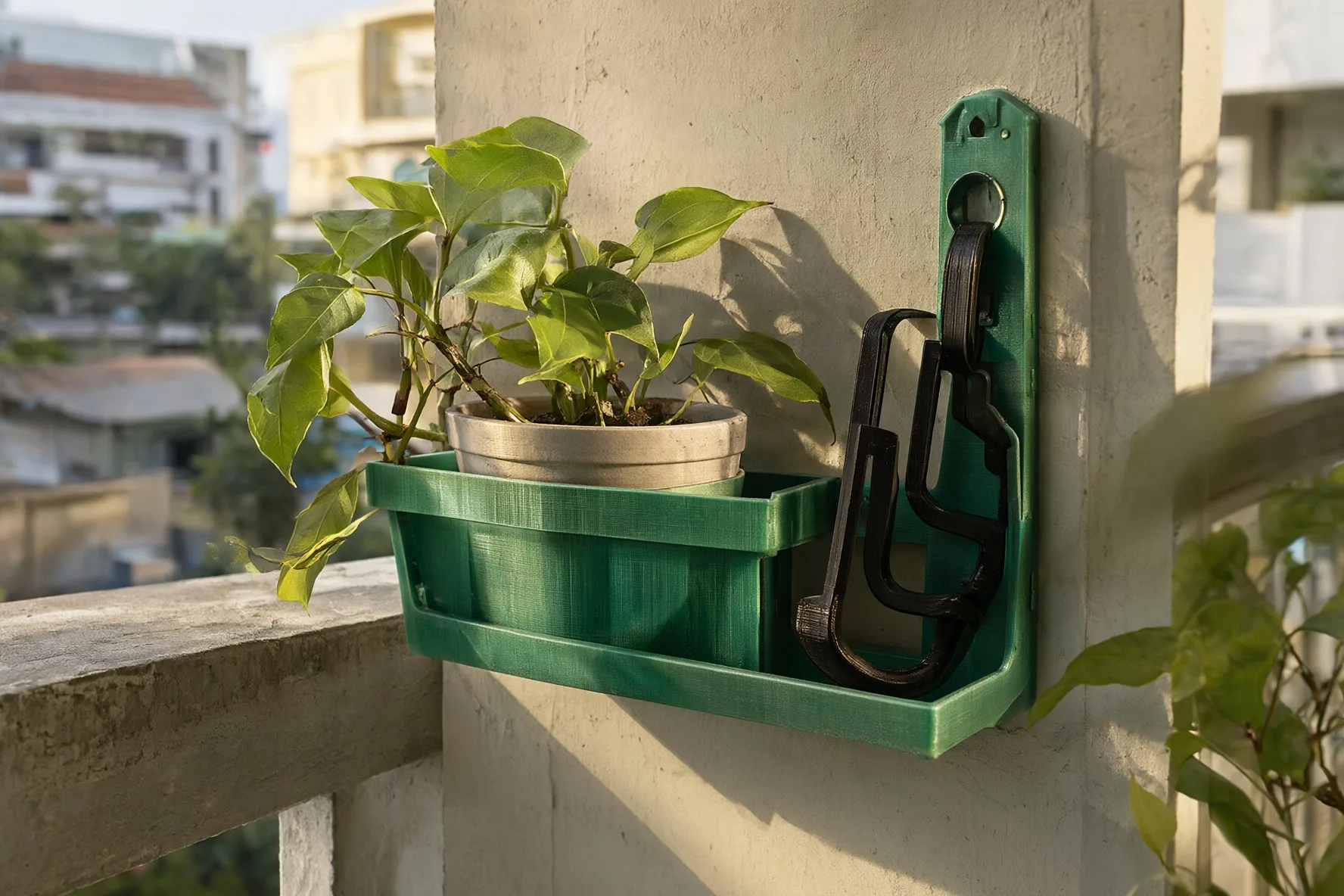
Outdoors, PETG wins. It copes better with humidity and sunlight, while PLA outside softens in the heat and becomes brittle over time. Still, PETG is not "UV-proof": after months in direct sun its colour can fade a little. For permanent outdoor parts in full sun every day, ask us first so we can adapt the design and colour.
4. Food contact: be careful with "food grade" claims
PETG as a raw material is used for food and drink packaging. But a 3D print is not a factory bottle. FDM prints have fine layer lines where food and bacteria can hide, and filament colourants are not necessarily certified for food. The same goes for PLA.
Our advice:
- Fine for brief contact with dry food, such as cookie cutters or a dish for wrapped sweets.
- Avoid for drinking vessels, straws or containers for wet food used again and again.
- Keep it out of the dishwasher and boiling water.
5. Finish and detail
Here PLA wins by a little. PLA gives sharper detail and many surface types (matte, silk and more). PETG tends to be slightly glossy, overhang edges are a bit less crisp, and fine strings may need tidying. For a display figure nobody touches, PLA is great. For things you use, the look rarely matters, while the durability matters a lot.
So, PETG or PLA?
In short:
- Choose PETG for things you use: camera and drone accessories, desk organisers, holders, clips, anything in a car or outdoors, and gifts meant to last for years.
- PLA suits indoor display pieces, quick prototypes and very fine models that will never see heat.
Why Snazzy 3D chose PETG
We are in Jakarta, and what we make is used in Jakarta: taken to film shoots, left in cars, installed in rooms without air conditioning. In that heat and humidity, PLA causes too many problems. That is why all our orders are currently printed in PETG, and for now we do not take PLA or resin orders.
Focusing on one material also lets us tune machines, temperatures and speeds until they are truly stable, so every print comes out more consistent. PETG colours in stock right now: black, white, grey, red, yellow, green, blue, orange and beige. Full details are in the material guide.
Two of our most-ordered PETG products:
Care tips to make PETG prints last
- Clean with a damp cloth, dish soap and plain or warm water. Avoid water hotter than 60 °C.
- Never use acetone or paint thinner; they can dull or crack the surface.
- Do not leave prints on a car dashboard for hours, even though PETG handles heat better than PLA.
- On screwed parts, tighten only as much as needed. PETG is tough, but overtightened screws can still cause hairline cracks.
- PETG scratches more easily than glass or metal. Store it away from sharp objects if the looks matter.
- Want to paint it? Sand lightly first and use a plastic primer so the paint sticks.
Start printing in PETG
Want ready-made items that ship now? Visit our shop. Want something with your own name or photo? Try the custom product designers. Have your own 3D file or a special job? Send it through the quote form.
PETG and PLA FAQ
Is PETG stronger than PLA?
It depends on what "strong" means. PLA is stiffer, but PETG is tougher and handles impacts better, so it does not snap easily when dropped or bent. For everyday items, PETG usually lasts longer.
Are PETG prints food safe?
The raw material is used in food packaging, but 3D prints have gaps between layers and colourants that may not be certified. Use them only for brief contact with dry food, not for drinking vessels or wet food.
Can I keep a PETG print in my car?
It is safer than PLA because PETG softens only at around 75–80 °C. But avoid placing it right on top of a dashboard in full sun all day, which can get hotter than that.
Does Snazzy 3D take PLA or resin orders?
Not at the moment. Every order is printed in PETG in the nine colours in stock. If you need another material, contact us through the quote form and we will help you find a solution.